

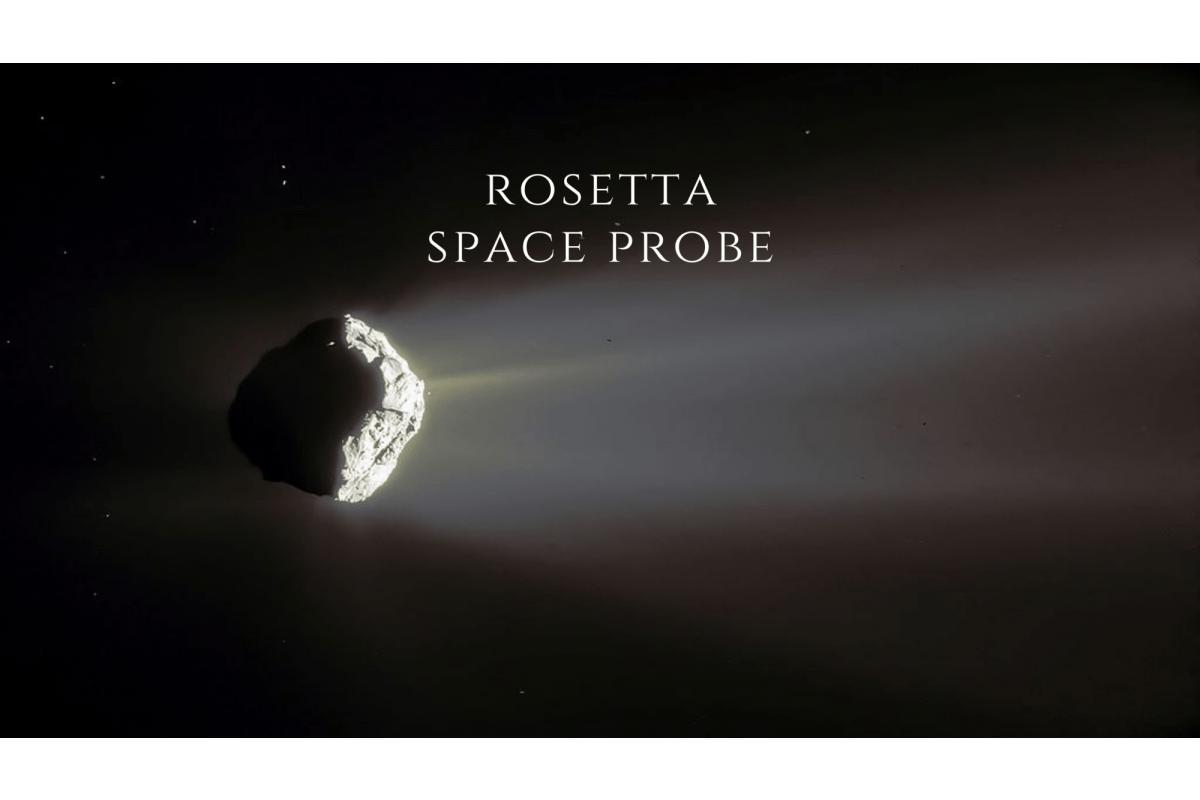
Rosetta was a space probe built by the ESA that launched on March 2, 2004, to perform a detailed study of comet 67P/Churyumov–Gerasimenko.
It's a Space Station! Blog

Rosetta Space Probe

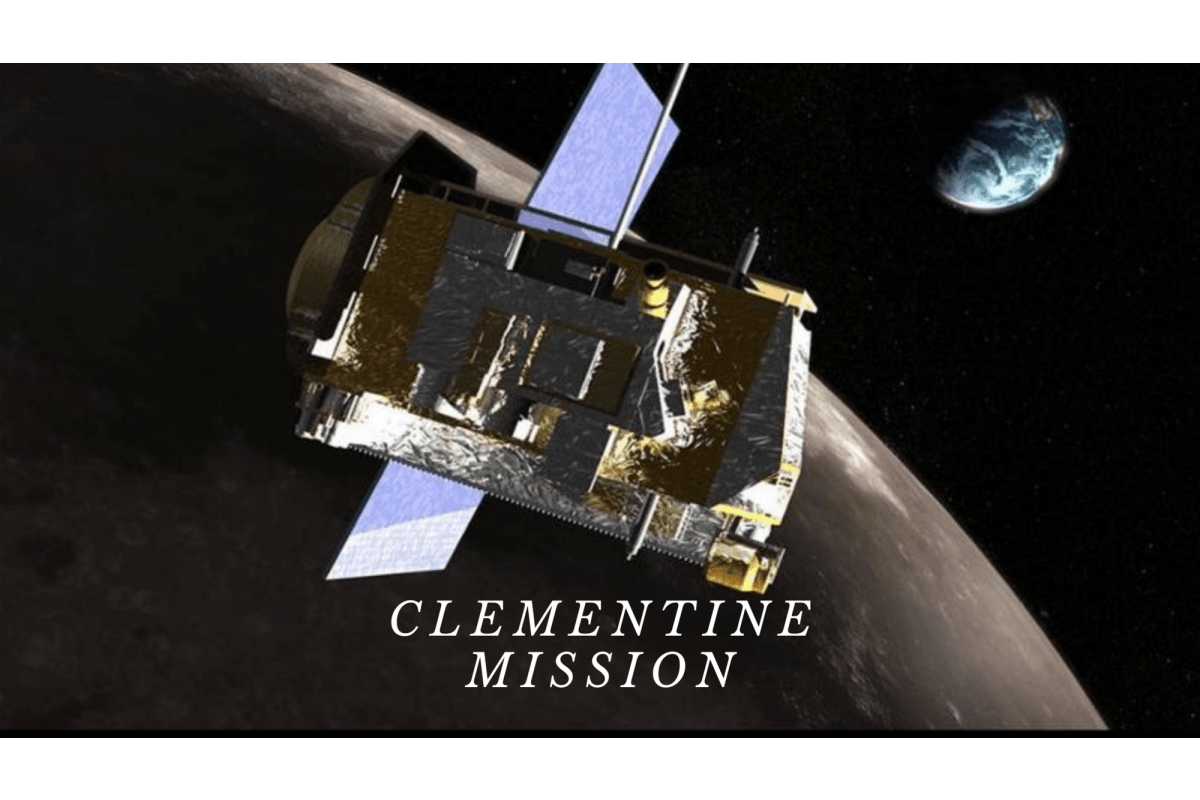
Clementine Mission
Clementine was launched on January 25, 1994, with the objective of testing sensors and spacecraft components in long-term exposure to space and making scientific observations of the Moon and the near-Earth asteroid 1620 Geographos.

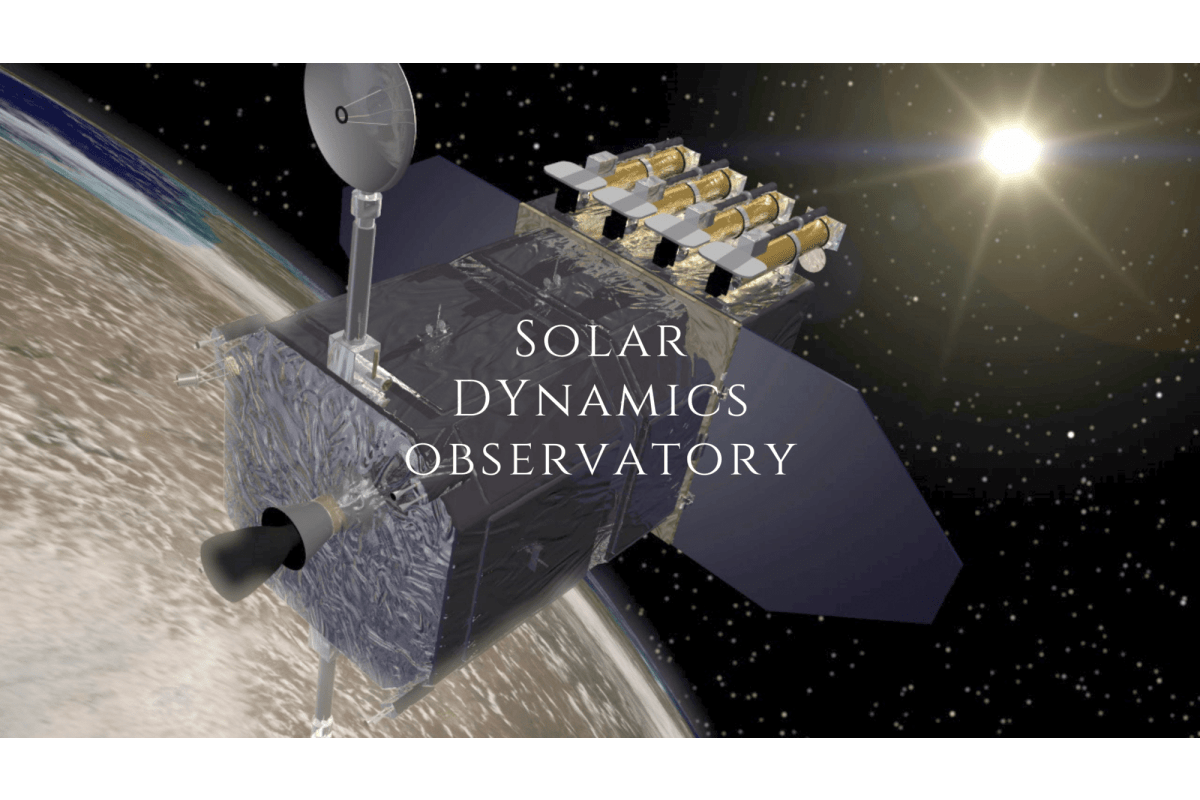
Solar Dynamics Observatory
The Solar Dynamics Observatory (SDO) NASA mission was developed to observe the Sun and enhance our understanding of our Solar System's star.

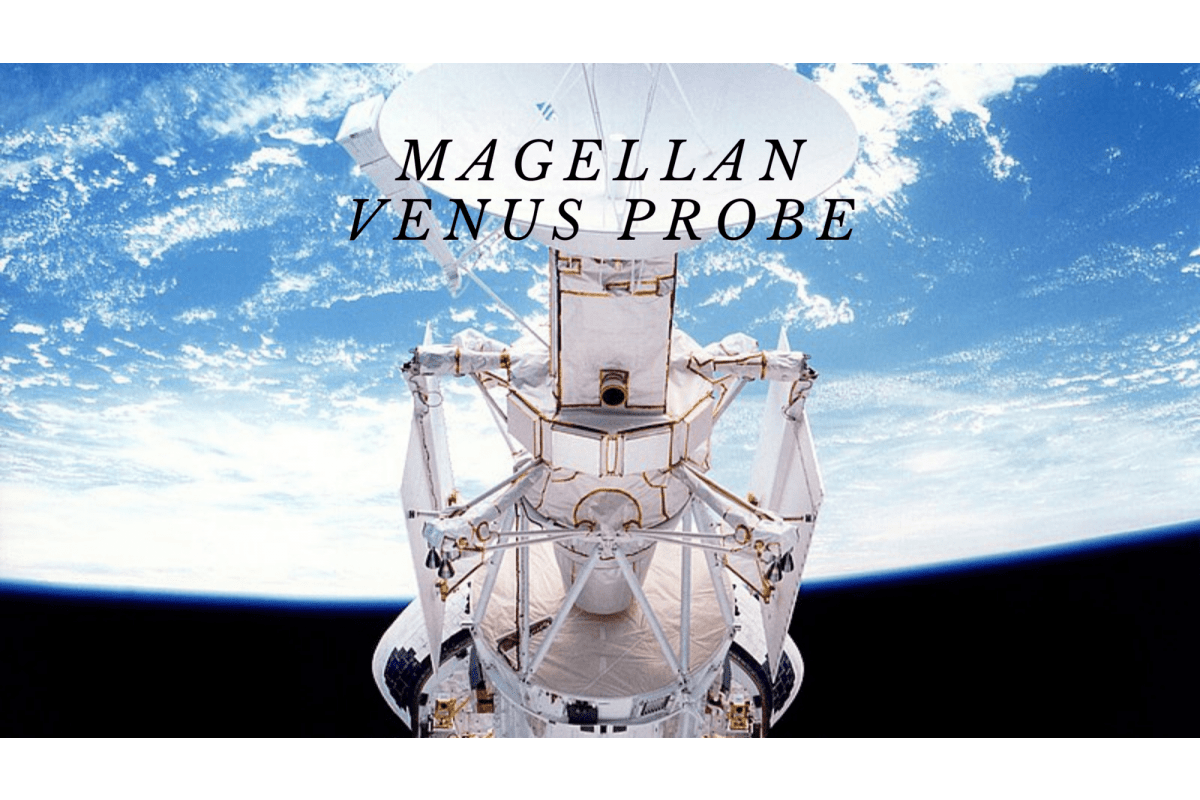
Magellan Venus Probe
The Magellan robotic space probe was launched on May 4, 1989, by NASA to map the surface of Venus and measure the gravitational field.

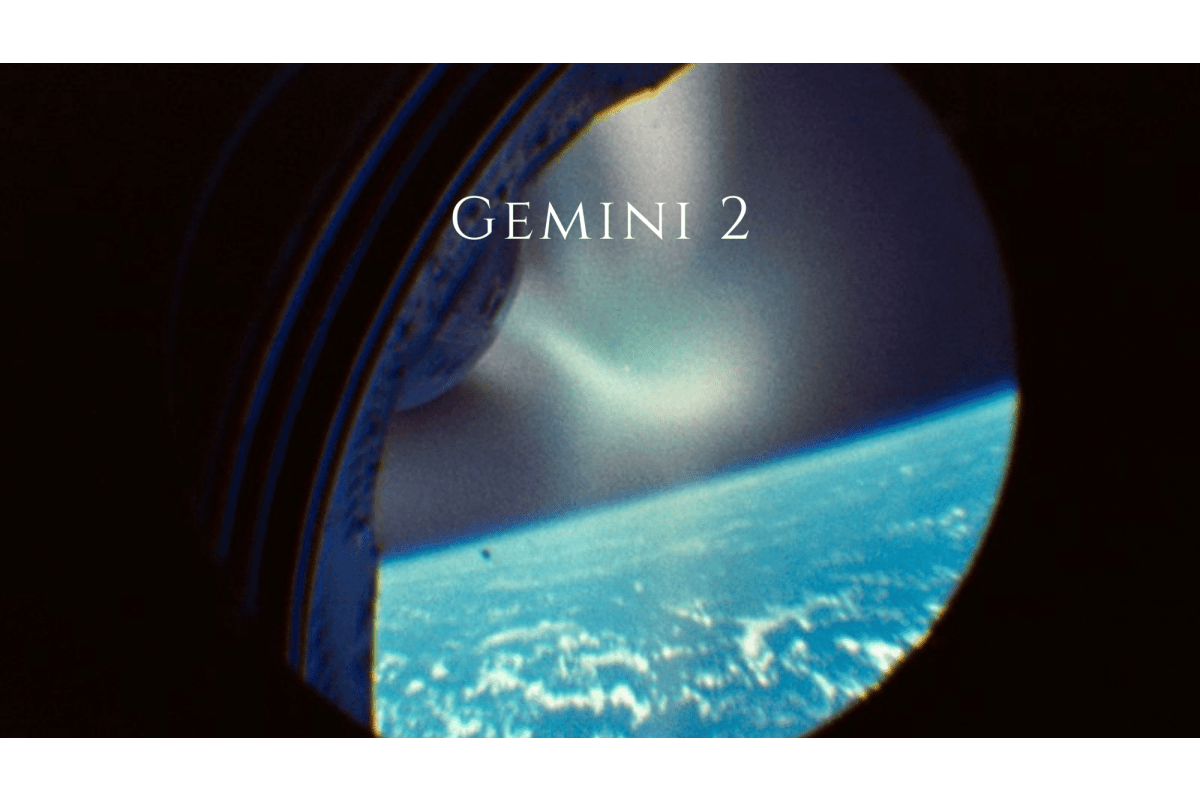
Gemini 2
Gemini 2 was the second uncrewed spaceflight of Project Gemini that was launched on January 19, 1965.

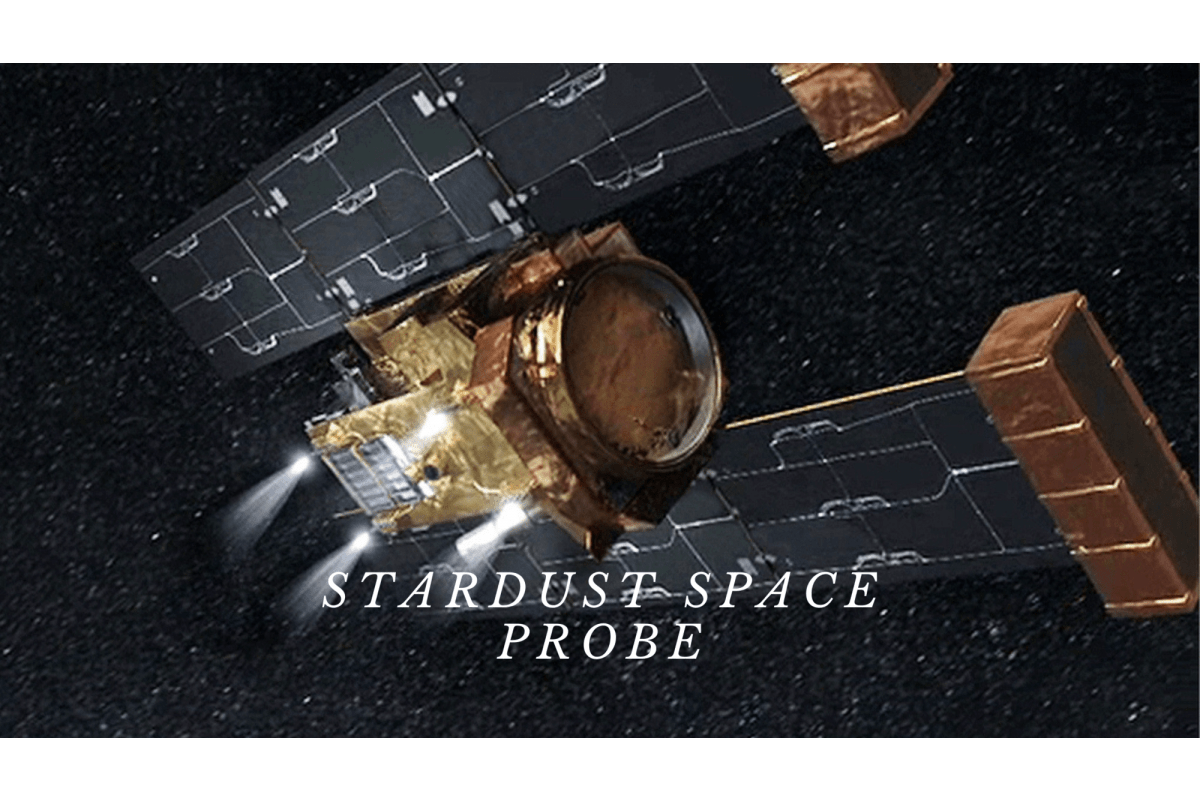
Stardust Space Probe
Stardust was a robotic space probe launched in 1999, with the primary mission of collecting cosmic dust and dust samples from the comet Wild 2 and returning them to Earth.

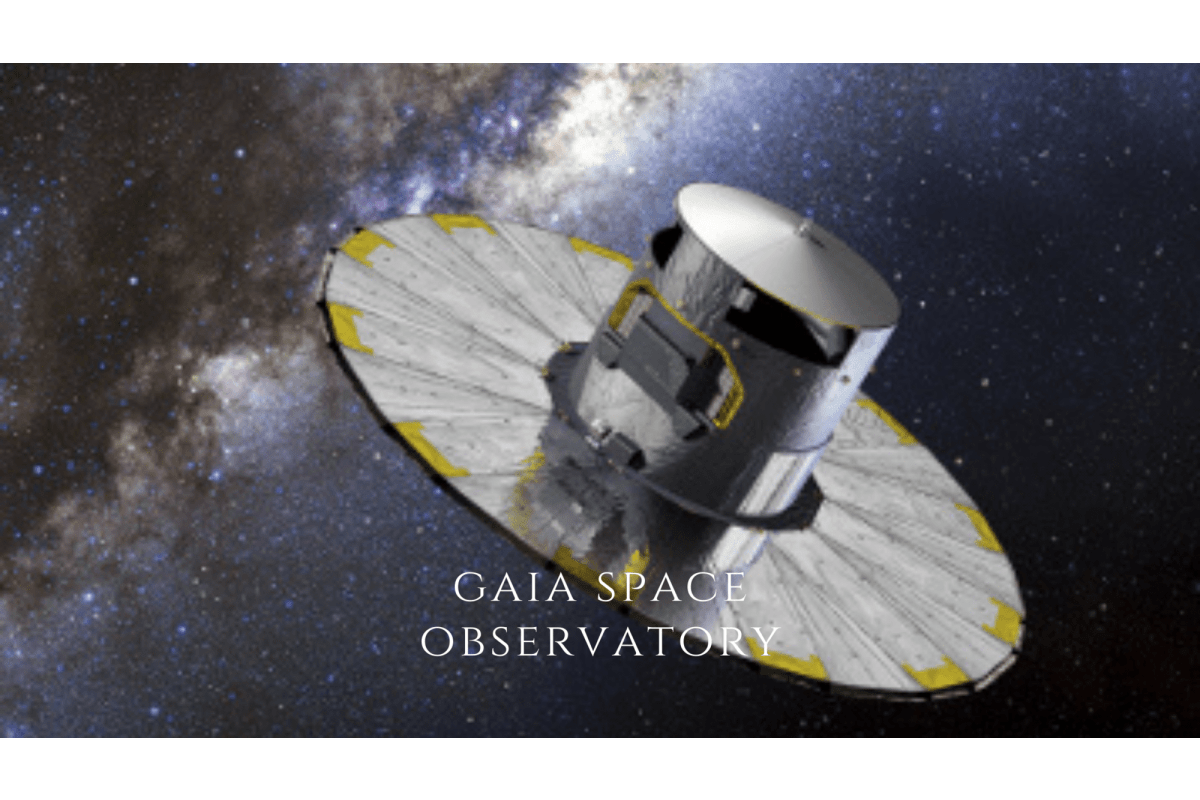
Gaia Space Observatory
Gaia is a space observatory launched on December 19, 2013, by the European Space Agency (ESA), designed to measure stars' positions, distances, and motions with precision.

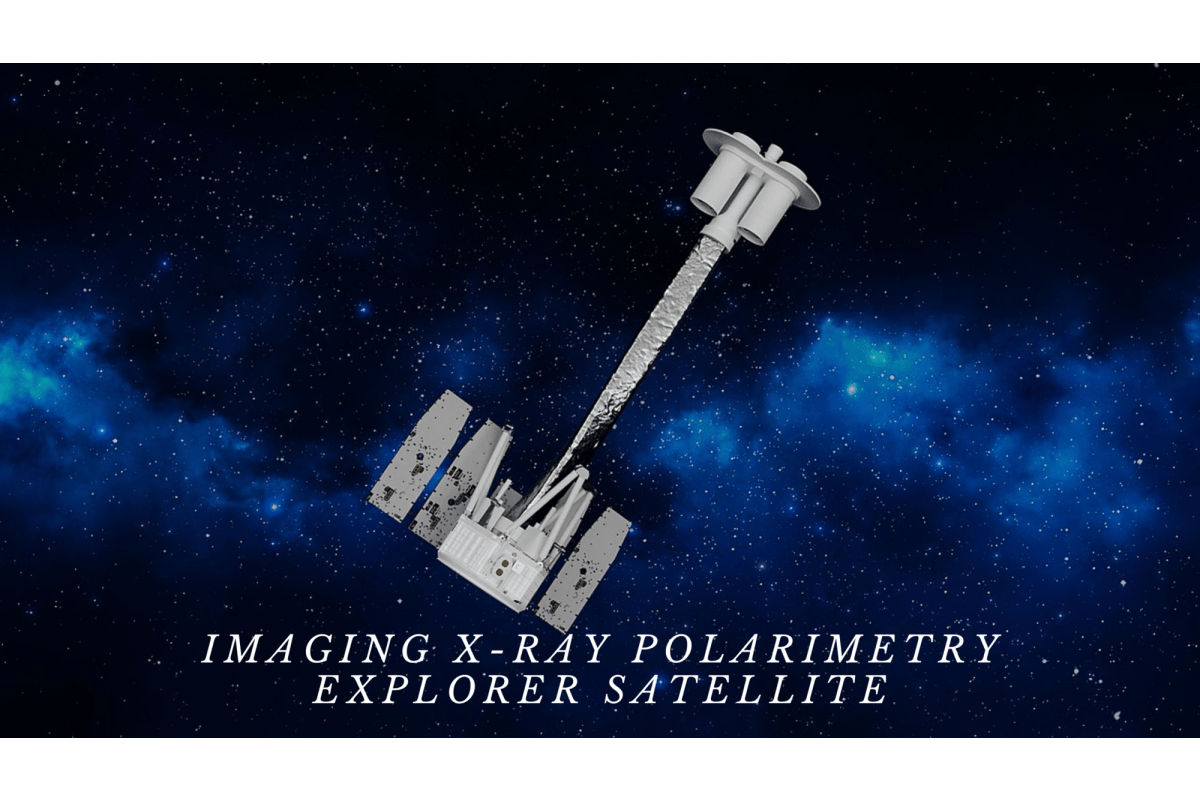
Imaging X-ray Polarimetry Explorer
The Imaging X-ray Polarimetry Explorer, IXPE, is a space observatory that was launched on December 9, 2021, designed to measure the polarization of cosmic X-rays.

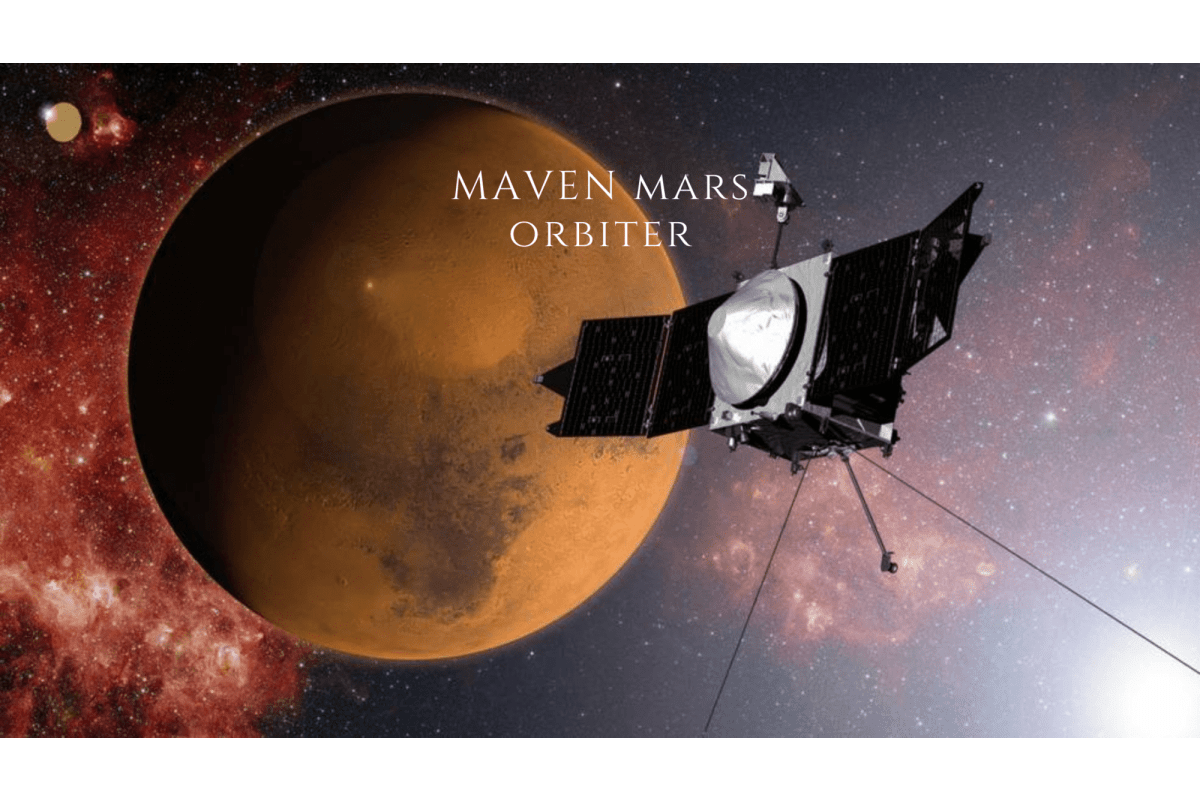
MAVEN Mars Orbiter
MAVEN is a 2013 American spacecraft intended to study the loss of Mars' atmospheric gases to space and provide insight into the planet's climate and water history.

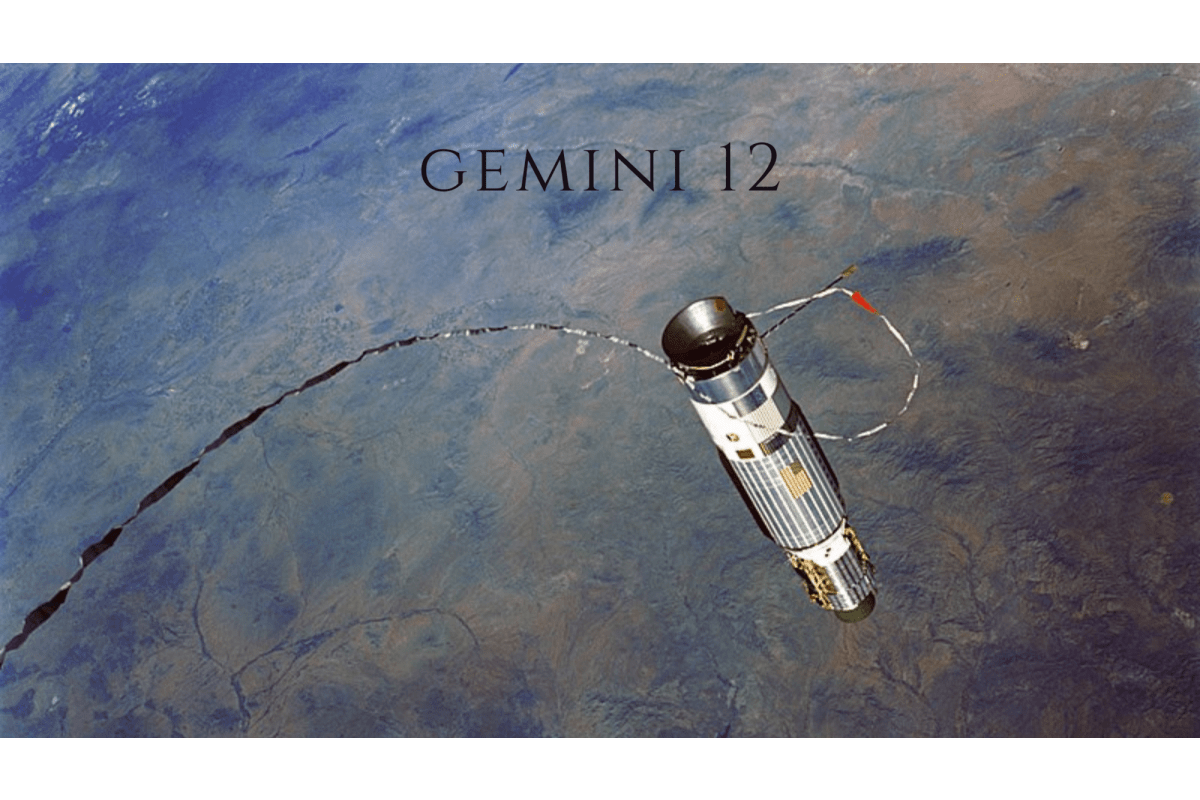
Gemini 12
Gemini XII was the 10th and final crewed Gemini flight, commanded by NASA veteran James A. Lovell and rookie Edwin "Buzz" Aldrin.