

Humanity Returns to the Moon: Why NASA’s Artemis Missions Could Shape the Future of Space Exploration
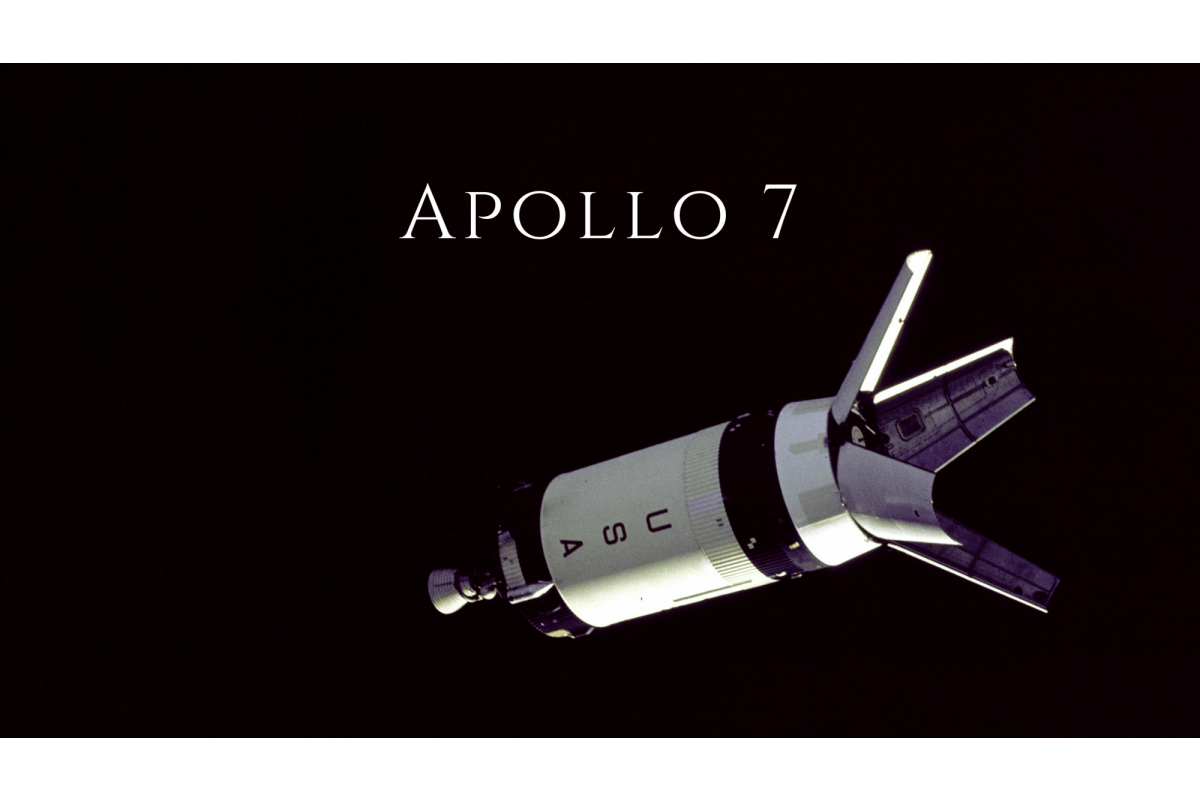
For more than half a century, no human has traveled beyond Earth orbit. Since the final Apollo mission left the lunar surface in 1972, astronauts have remained relatively close to our planet aboard spacecraft such as the International Space Station. That long pause may soon end.
NASA’s modern lunar exploration effort, known as the Artemis program, is preparing to send astronauts back to the Moon for the first time in over fifty years. But unlike the brief visits of the Apollo era, the goal this time is not simply to plant flags and return home. Artemis is designed to begin a sustained human presence beyond Earth and to open the path toward future missions to Mars.
If successful, the program could mark the moment when humanity moves from occasional space travel to a permanent role as a spacefaring species.
The First Human Journey to the Moon Since Apollo
The last astronauts to walk on the Moon were part of Apollo 17, a mission that closed one of the most remarkable chapters in the history of exploration. After that point, political priorities shifted, and the enormous cost of lunar missions led to a long pause in human journeys beyond Earth orbit.
For decades, the Moon remained silent.
That is beginning to change.
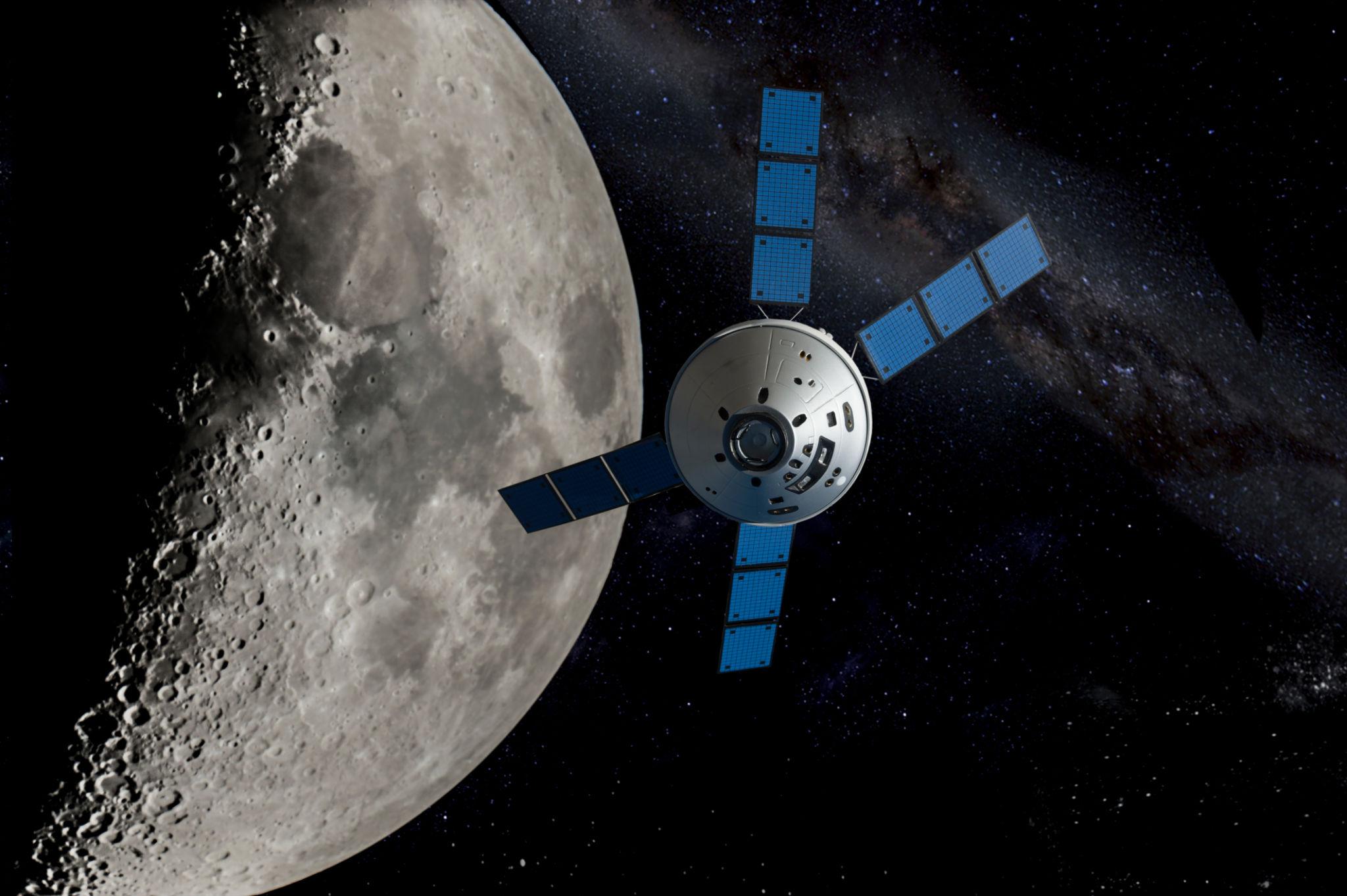
NASA restarted lunar exploration with Artemis I, an uncrewed mission that launched the powerful Space Launch System rocket and sent the Orion spacecraft on a journey around the Moon before returning safely to Earth. The mission successfully tested deep-space navigation, heat shield performance, and spacecraft systems required for future human flights.
The next mission, Artemis II, will carry astronauts around the Moon on a ten-day journey. Although the crew will not land, the flight will prove that the spacecraft can safely support humans far from Earth.
The true milestone will come with Artemis III, when astronauts are expected to step onto the lunar surface once again.
The last astronauts to walk on the Moon were part of Apollo 17, which ended an extraordinary chapter of human exploration. After that mission, human spaceflight focused largely on low Earth orbit with programs like the Space Shuttle and the International Space Station.
NASA’s new plan is designed to change that.
The Artemis program began with Artemis I, an uncrewed mission that successfully sent the Orion spacecraft around the Moon and back to Earth. The mission demonstrated the performance of the Space Launch System rocket and confirmed that the spacecraft could operate safely in deep space.
The next major step will be Artemis II, which will carry astronauts around the Moon without landing. This mission will test life support systems, navigation, and spacecraft operations with a human crew aboard.
The true milestone comes with Artemis III, which aims to place astronauts on the lunar surface again for the first time since Apollo.
When that moment arrives, it will end the longest gap between human deep space missions in history.
Why Returning to the Moon Matters
At first glance, returning to the Moon may seem like revisiting familiar territory. Humans have already walked on its surface, collected rocks, and explored parts of the lunar landscape.
But the Artemis missions have a very different purpose than the Apollo program.
Apollo was designed to prove that humans could reach the Moon and return safely. Artemis is designed to learn how humans can live and work there for extended periods.
That difference transforms the Moon from a destination into a proving ground for the future of exploration.
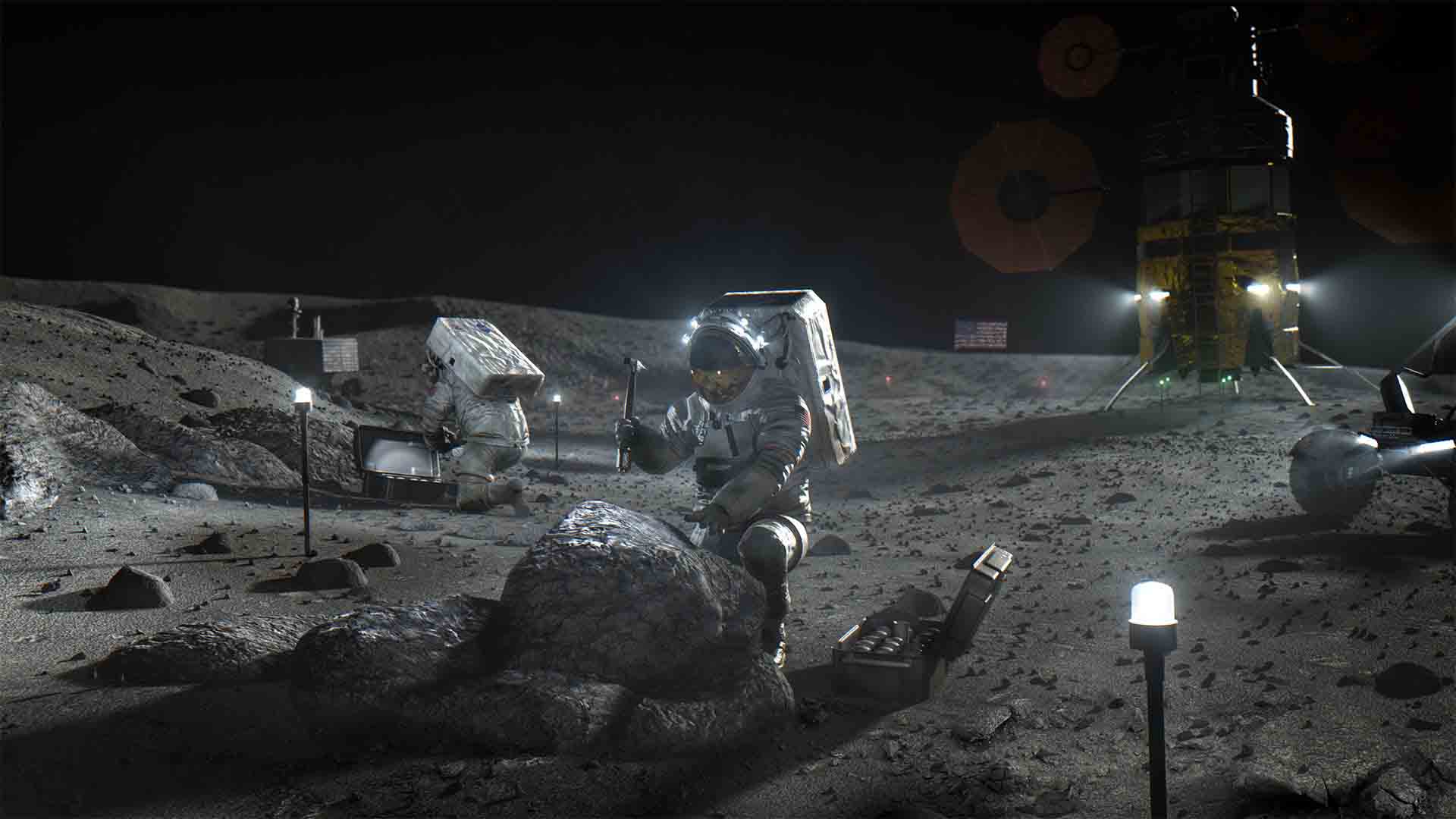
Artist depiction of NASA's Artemis mission
The Moon is a Record of the Early Solar System
The lunar surface acts as a natural archive of ancient history. Without weather, oceans, or active geology like Earth, the Moon preserves evidence of events that happened billions of years ago.
Impact craters, rock layers, and lunar soil contain clues about how planets formed and how the early Solar System evolved. By studying these materials, scientists hope to better understand the processes that shaped Earth and the other worlds that orbit the Sun.
Many of the regions targeted by Artemis missions have never been explored by humans before.
Water at the Lunar South Pole
One of the most exciting discoveries in modern planetary science is the presence of water ice near the Moon’s south pole. Permanently shadowed craters in this region may contain frozen water that has remained stable for billions of years.
This resource could become incredibly important for future missions. Water can be used for drinking, converted into oxygen for breathing, or separated into hydrogen and oxygen to create rocket fuel.
If astronauts can learn to extract and use these resources, it could dramatically reduce the cost and complexity of deep space missions.
Learning How to Live Beyond Earth
Operating on the Moon will also help scientists develop technologies needed for long-duration space travel. Artemis missions will test advanced spacesuits, new surface vehicles, and systems designed to support astronauts working in harsh environments far from Earth.
These technologies will eventually be required for missions to Mars and other destinations in the Solar System.
The Moon provides a nearby testing ground where these systems can be developed and improved before humanity attempts much longer journeys.
A New Lunar Outpost in Space
Another key part of the Artemis architecture is the planned lunar orbit station known as the Lunar Gateway.
The Gateway will orbit the Moon and act as a staging point for missions to the lunar surface. Astronauts will be able to dock spacecraft there, conduct scientific research, and prepare for future expeditions.
This small space station will serve as a bridge between Earth and the Moon, helping transform lunar exploration from isolated missions into a continuous presence in deep space.
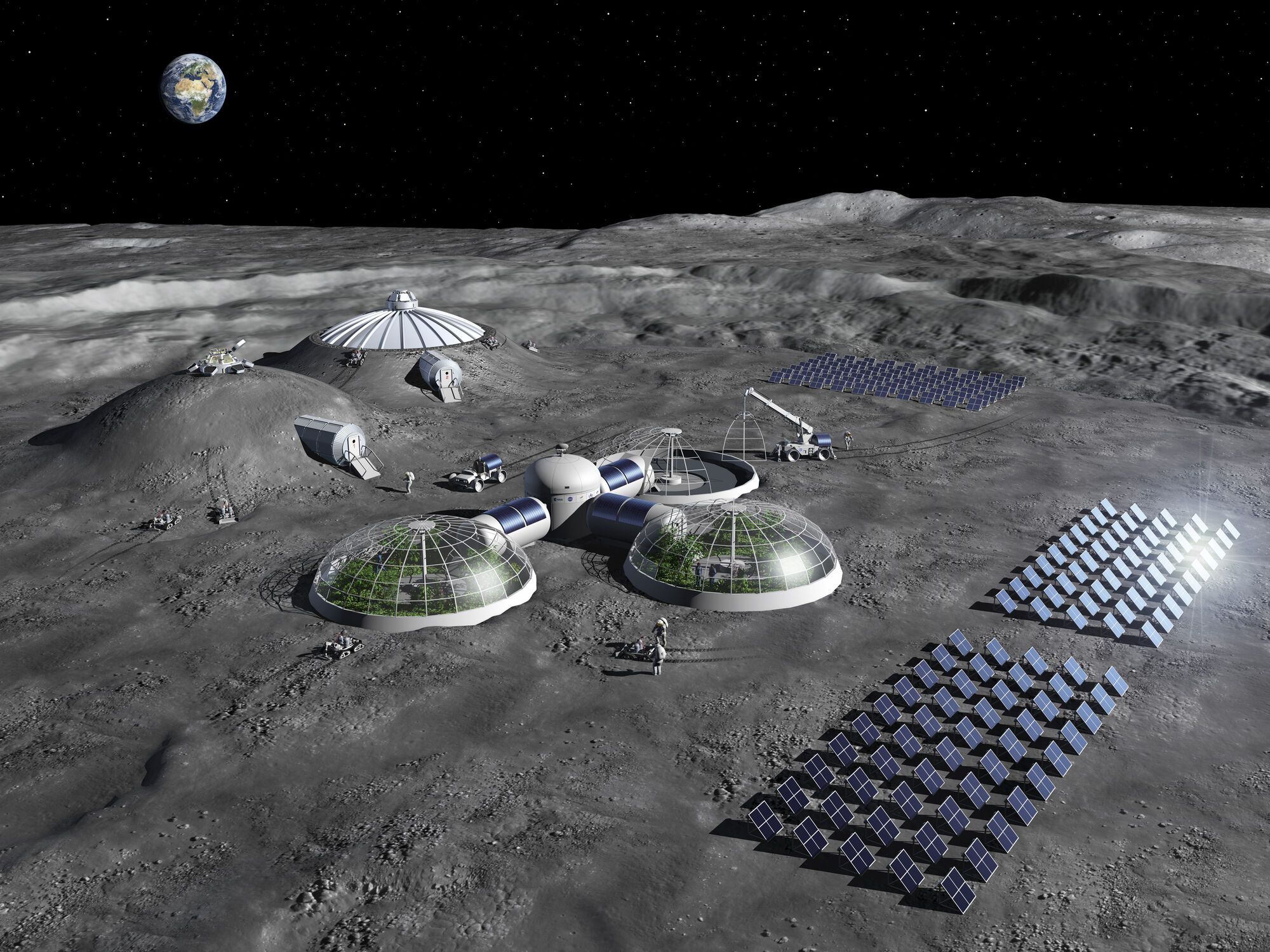
Artist impression of a Moon Base concept by ESA's P. Carrill
Preparing for the Journey to Mars
NASA describes its long-term exploration strategy as the “Moon to Mars” approach.
The idea is simple but ambitious. Before attempting the extremely difficult journey to Mars, humans must first learn how to operate sustainably beyond Earth. The Moon offers the ideal location for developing those capabilities.
By practicing long duration missions on the Moon, scientists and engineers can refine life support systems, radiation protection technologies, and deep-space transportation methods.
Those lessons will eventually help make the first human missions to Mars possible.
A New Generation of Lunar Explorers
The Artemis missions also represent an important cultural milestone. NASA plans for the first lunar landing of the program to include the first woman and the first person of color to walk on the Moon.
The program is also highly international. Space agencies and private companies from multiple countries are contributing technology, spacecraft components, and scientific instruments.
This global collaboration reflects a new era of exploration where the Moon is not just the goal of a single nation but a shared frontier for humanity.
The Beginning of a New Space Age
The Artemis missions also represent an important cultural milestone. NASA plans for the first lunar landing of the program to include the first woman and the first person of color to walk on the Moon.
The program is also highly international. Space agencies and private companies from multiple countries are contributing technology, spacecraft components, and scientific instruments.
This global collaboration reflects a new era of exploration where the Moon is not just the goal of a single nation but a shared frontier for humanity.